
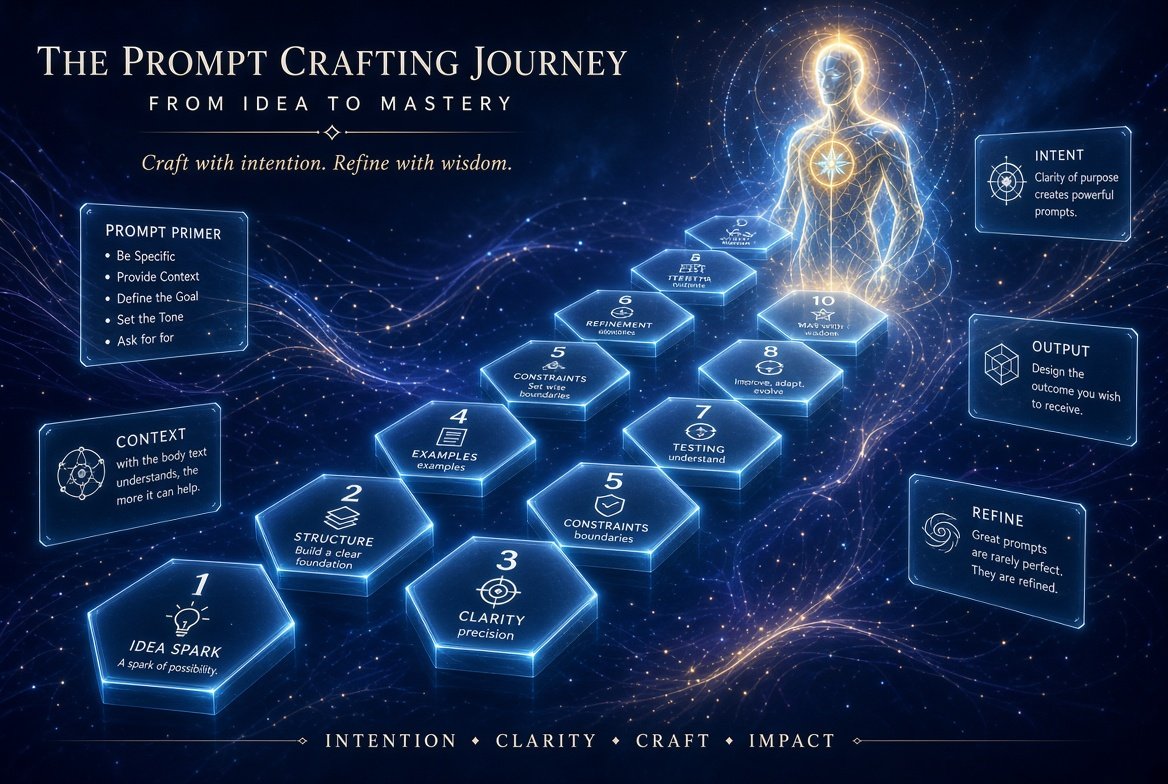
10-STEP AI CONTENT CREATION AND FACT-CHECKING FRAMEWORK — 2027
Copy this reusable 10-step framework into Claude, ChatGPT, or any AI assistant to get accurate, well-structured, fact-checked content. Replace the project details below, then submit the whole block as one prompt.
PROJECT DETAILS
Topic: [Enter topic]
Primary keyword: [Enter primary keyword]
Related keywords: [Enter related keywords]
Target audience: [Enter audience]
Target countries: [Enter countries]
Content type: [SEO article, research report, technical guide, or other]
Output format: [WordPress HTML body, Markdown, report, or other]
FOLLOW THESE 10 STEPS
1. THINK AND PLAN
Analyze the task, identify the objective and search intent, plan the research, identify missing information, and establish measurable quality criteria. For complex work, provide a concise plan before drafting.
2. WHO — DEFINE THE ROLE
Adopt the professional role most relevant to the task. Apply appropriate domain knowledge without inventing credentials, experience, or authority.
3. WHAT — DEFINE THE TASK
Determine exactly what must be produced, who will use it, which questions it must answer, and what outcome it should achieve.
4. CONTEXT — RESEARCH THE SUBJECT
Use supplied documents, reliable external sources, relevant standards, and current information where necessary. Identify important entities, related concepts, user questions, and geographical differences. Do not assume access to unavailable files or websites.
5. FORMAT — STRUCTURE THE OUTPUT
Follow the requested format precisely. For SEO articles, use a descriptive H1, logical H2 and H3 headings, and H4 headings where useful. Include tables, lists, examples, FAQs, and a conclusion when they improve the content.
6. LIMITS — FOLLOW THE RULES
Avoid filler, repetition, keyword stuffing, fabricated facts, invented citations, and unsupported claims. Respect the requested scope, tone, length, audience, and formatting. Clearly distinguish verified facts from estimates and assumptions.
7. EXAMPLES — APPLY THE REQUIRED STANDARD
Use any supplied examples to understand the expected quality, tone, structure, and level of detail. Reproduce the useful characteristics, not their errors or unnecessary wording.
8. SUCCESS CRITERIA — MEASURE QUALITY
Ensure the output addresses the primary objective, satisfies the intended audience, covers the relevant subtopics, follows the required structure, and provides actionable information. Apply task-specific acceptance tests wherever possible.
9. ASK FIRST — CLARIFY ESSENTIAL GAPS
Ask focused questions only when missing information could materially change the result. Otherwise, state reasonable assumptions and proceed.
10. CHECK ALL STATISTICS AND FIGURES
Before delivery, verify material factual claims, statistics, dates, prices, percentages, calculations, quotations, and citations against reliable sources. Prefer primary sources and current evidence where available. Check units, reporting periods, geographical scope, and calculations. Confirm that cited sources support the claims. Correct errors and remove or qualify unsupported statements. Never claim to have verified information unless the verification was actually performed.
SEO CONTENT REQUIREMENTS
When creating SEO content:
- Identify the primary search intent and answer the main question near the beginning.
- Research related keywords, entities, subtopics, and relevant user questions.
- Organize the article using a logical semantic heading hierarchy.
- Apply Koray Tuğberk GÜBÜR-inspired semantic SEO principles for topical relevance and comprehensive subject coverage.
- Apply Kyle Roof-inspired on-page optimization principles, including relevant terminology, clear page structure, and natural keyword placement.
- Demonstrate E-E-A-T through accurate information, transparent sourcing, appropriate expertise, and clear limitations. Do not fabricate personal experience or credentials.
- Use comparison tables, lists, examples, and calculations where they genuinely help the reader.
- Include relevant FAQs without repeating information unnecessarily.
- Avoid keyword stuffing, generic filler, and unsupported claims about ranking factors.
- Do not guarantee Google rankings or imply that any particular SEO framework guarantees search visibility.
OUTPUT REQUIREMENTS
Provide the following when relevant:
- Catchy SEO title
- H1
- Meta description
- Excerpt
- Suggested slug
- Relevant tags
- Complete article
- WordPress-ready HTML containing only the requested article body, if requested
- Source links for material factual claims
- A final fact-check and quality review
FINAL INSTRUCTION
Produce a complete, publication-ready deliverable that follows the supplied requirements. Prioritize accuracy, usefulness, clarity, relevance, and verifiability over length. Do not invent missing information. State material assumptions and limitations, and ensure the final output matches the requested format.
How to use it: Replace the project details at the top, remove any irrelevant requirements, and submit the entire block as one prompt. The 2027 label identifies the intended content edition; it does not imply that these methods or requirements are new in 2027.