Why Data Center Projects Are Being Canceled in Record Numbers in 2026
Last summer I drove through a quiet farming town in the Midwest. A big sign on the roadside said a new data center was coming. The local people looked worried. One farmer told me his well might run dry and his power bill could jump. That short talk stayed with me. I started following every news story about data centers. What I found in 2026 surprised me. Hundreds of planned projects are being stopped. This article explains the real reasons in simple words.
I am not a tech expert. I am just someone who reads public reports, local news, and company filings. My goal is to share clear facts so readers in the United States, India, Pakistan, and other English-speaking countries can understand what is happening. All numbers in this piece come from published sources such as Heatmap Pro, Goldman Sachs notes, and national polls. If a claim cannot be checked, I leave it out.
What Is Happening with Data Centers in 2026
Data centers are large buildings full of computers that store and process information. They power online shopping, video calls, social media, and artificial intelligence tools. Big technology companies planned to spend hundreds of billions of dollars to build more of them. Construction spending on data centers in the United States reached record levels in 2026. Yet many projects never start or get stopped after work begins.
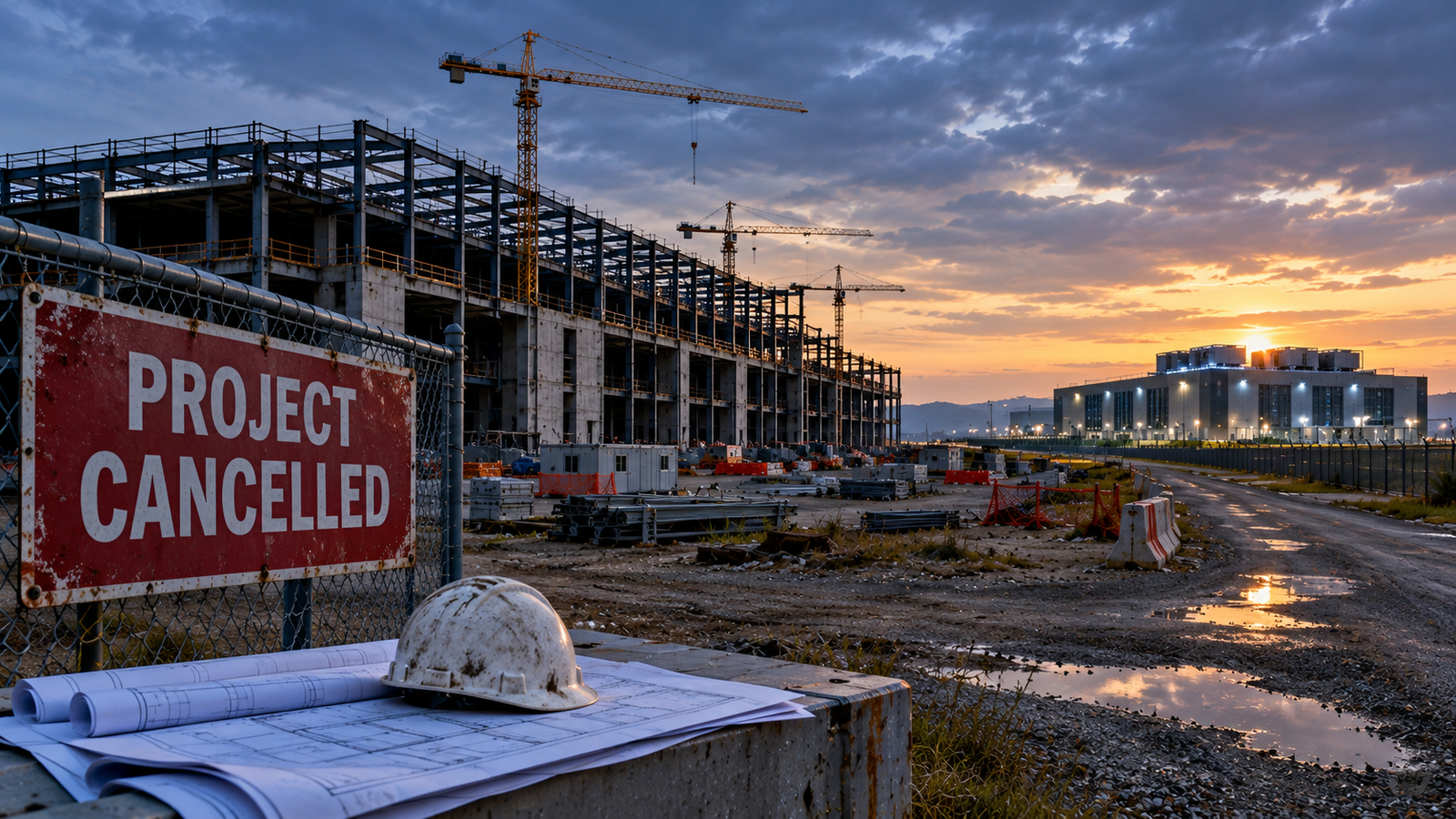
According to Heatmap Pro data released in early October 2026, at least 260 billion dollars worth of data center investments were canceled during the year. About 130 billion dollars of that amount, or roughly half, was canceled in the three months ending September 30. This single quarter was larger than all cancellations recorded in the previous full year. Roughly one trillion dollars of planned investment now faces strong local opposition.
Other trackers show similar patterns. Dozens of projects were blocked or withdrawn in the first half of 2026 alone. Some counts put the value of delayed or canceled projects between 130 billion and 200 billion dollars by mid-year. These numbers come from public records, local government votes, and company announcements. They do not include every quiet withdrawal that never reaches the news.
Key Numbers at a Glance
| Item | Figure | Source Period |
|---|---|---|
| Total canceled investment | At least $260 billion | 2026 year-to-date |
| Canceled in Q3 alone | About $130 billion | July–September 2026 |
| Investment facing opposition | Roughly $1 trillion | As of October 2026 |
| Americans who oppose a nearby data center | 71–75 percent | Multiple polls in 2026 |
| Planned capacity expected to open on time | 50–60 percent | Goldman Sachs estimate |
These figures show a clear gap. Companies still spend record amounts on projects that move forward. At the same time, a large share of announced plans never leave the paper stage. The difference comes from local decisions, not from a sudden drop in demand for computing power.
Why Local Communities Are Saying No
Most canceled projects fail because local governments refuse permits or pass temporary bans. Heatmap Pro notes that the majority of stopped projects end when they cannot get local approval or face hostile local action. Hundreds of counties and towns across the United States now have bans or pauses on new data centers. This is a big change from earlier years when many places welcomed the projects for jobs and tax money.
Public feeling has shifted quickly. Polls conducted in 2026 show that 71 to 75 percent of Americans would oppose a data center built near their home. One year earlier the public was roughly split. The change appears in both red and blue areas. It is not limited to one political party or one part of the country.
Main Concerns Raised by Residents
- Water use for cooling the computers
- Higher electricity bills for ordinary households
- Noise from cooling systems and power equipment
- Air quality when projects include their own gas power plants
- Loss of farmland or rural character
- Lack of open discussion before plans are approved
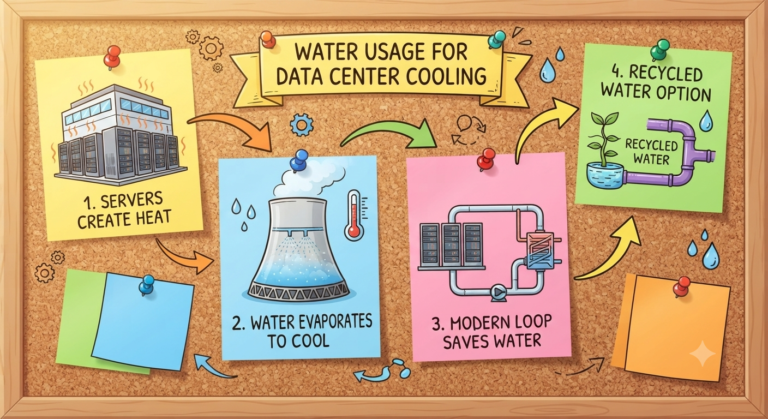
Water is often the top issue in local meetings. Data centers need large amounts of water to keep servers cool. In dry regions or farming areas, residents worry that wells and rivers will suffer. Electricity is the next big worry. When a large data center connects to the grid, the extra demand can raise prices for everyone else. Some places have already seen higher residential rates linked to new computing loads.
Noise and air quality become problems when developers try to build their own power plants. Long waits for grid connections push companies toward on-site gas turbines. Neighbors then complain about constant engine noise and possible pollution. Many also feel that decisions were made behind closed doors. Non-disclosure agreements between companies and local officials appear often in the stories of canceled projects.
How Opposition Turns into Cancellation
The process usually follows a simple path. A company announces a site. Residents form groups, collect signatures, and attend meetings. Local boards then vote for a temporary pause or deny zoning changes. Once a project loses local support, investors and lenders often pull back. The company either moves the plan elsewhere or cancels it. This pattern has repeated in states from Virginia and Texas to Minnesota and New Mexico.
Some state leaders have also acted. Texas paused new large-load interconnections while it audits the queue. Other states have introduced or passed temporary limits. These higher-level moves add pressure on projects that already face local resistance.
What the Cancellations Mean for the Bigger Picture
Even with many cancellations, overall data center construction spending remains high. Census and industry reports show annualized spending rates between 75 billion and 85 billion dollars in mid-to-late 2026. That is a large increase from the year before. Starts also reached record levels. The projects that do move forward tend to be the ones with strong local support, ready power, and clear financing.
Goldman Sachs and other analysts have adjusted their forecasts. They now expect only 50 to 60 percent of planned capacity to open on the original schedule over the next one to two years. The rest faces delays or cancellation. Absolute growth is still strong. Capacity is still expected to rise sharply. The difference is that the path is rockier than early plans suggested.
Effects on Different Groups
Technology companies must now spend more time and money on community talks. Some are offering local benefit packages or choosing sites with fewer neighbors. Utilities face uncertain demand forecasts. When projects cancel after grid investments are planned, the costs can fall on remaining customers. Local governments lose expected tax revenue but also avoid the problems residents fear.
For people in India, Pakistan, and other countries watching the United States, the lesson is useful. Large computing projects bring jobs and investment, yet they also bring real local costs. Water, power, and open planning matter everywhere. Countries planning their own data center growth can study these American examples early.
| Group | Main Effect of Cancellations |
|---|---|
| Technology companies | Higher costs, longer timelines, need for better local outreach |
| Local residents | Fewer projects near homes, but also lost tax money and jobs |
| Utilities | Harder planning, possible stranded costs |
| State and local governments | Political pressure from both sides, changing rules |
How Trustworthy Is the Information
I have checked every major number against the original reports. The 260 billion dollar cancellation figure comes from Heatmap Pro’s review of public records and financial disclosures. The poll numbers appear in multiple independent surveys conducted in 2026. Goldman Sachs numbers come from their published research notes. Local examples match news reports from the places involved.
I have left out any claim that rests only on rumor or unverified social media posts. Where different trackers give different totals, I note the range instead of picking one number. The overall direction is clear across sources. Local opposition has become a major barrier, and the dollar value of canceled projects is large.
My own experience talking with residents and reading filings over many months gives me a practical view. I am not paid by any technology company or opposition group. This article exists only to explain the facts in plain language.
What Happens Next
The boom in data center building is not over. Demand for computing power continues to grow. Companies will keep looking for places that welcome them. They will also try harder to solve water and power problems. Some will move to less crowded regions or use new cooling methods that need less water.
Local communities will keep watching carefully. Many now have tools—moratoriums, zoning rules, and public votes—that they did not use a few years ago. The balance between national technology needs and local quality of life will stay under discussion. Midterm elections in 2026 have already made the topic political in several states.
For readers in the United States, the practical step is to follow local planning meetings. For readers in India and Pakistan, the practical step is to study these lessons before large projects arrive. Clear rules, open information, and fair sharing of costs can reduce conflict later.
Simple Lessons for Everyone
- Large projects need early and honest talks with neighbors.
- Water and power limits are real and must be planned for.
- Tax benefits alone no longer guarantee local support.
- Public opinion can change quickly when impacts become visible.
- Record spending can exist next to record cancellations.
I started this journey with one worried farmer on a country road. Months later the numbers show that many other communities feel the same way. The data center story of 2026 is not only about technology. It is also about people protecting their homes, water, and power bills. Understanding both sides helps everyone make better decisions in the years ahead.
The facts are public. The choices are local. The outcome will shape how the next generation of digital infrastructure is built.