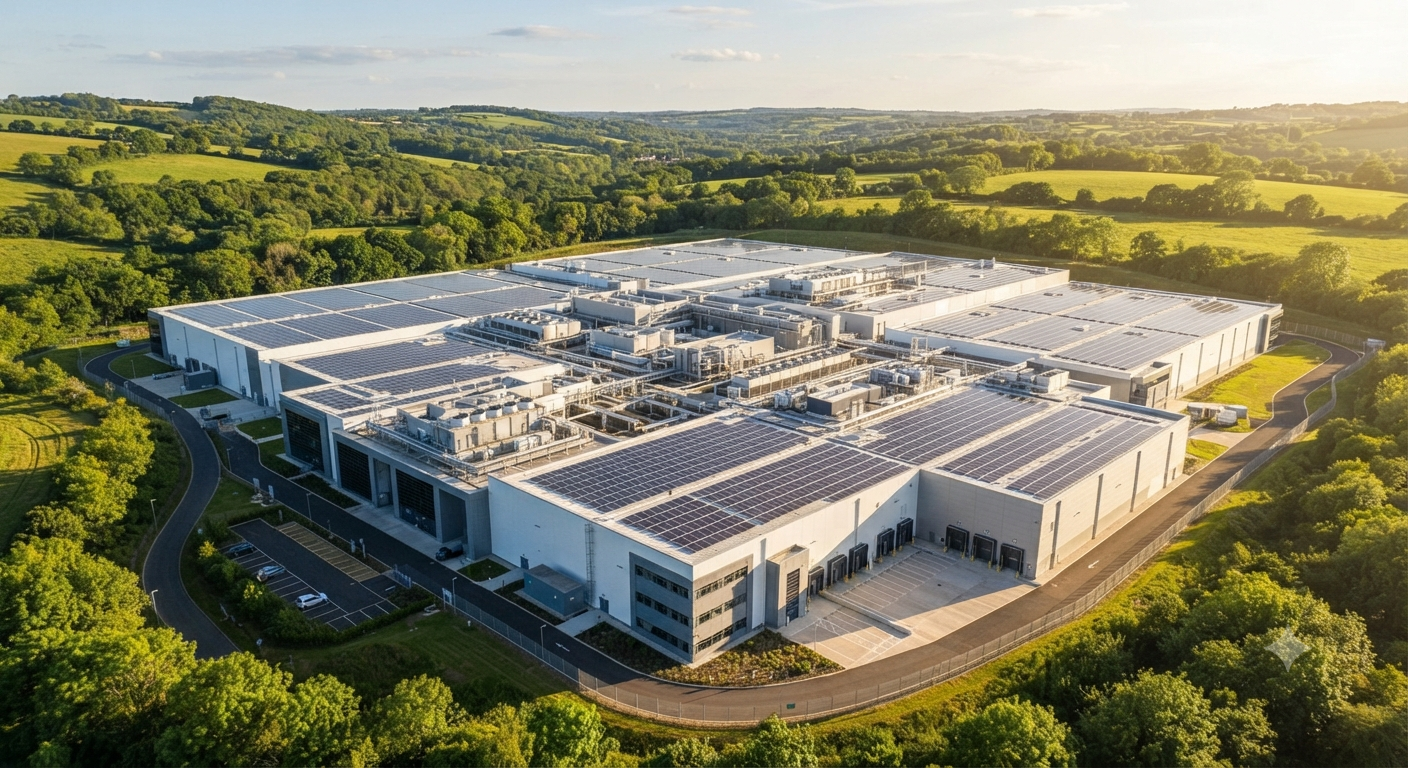
Can Data Centers Run on Solar Power Alone
Meta Description: Can data centers run on solar power alone? Learn the benefits, challenges, battery storage needs, and whether solar energy can fully power modern data centers.
Can Data Centers Run on Solar Power Alone?
Data centers consume enormous amounts of electricity every day. They power cloud computing, artificial intelligence, online banking, streaming services, and millions of websites. As energy costs rise and sustainability becomes more important, many people ask: Can data centers run on solar power alone?
The short answer is not yet. Solar energy is an excellent renewable power source, but current technology makes it difficult for large data centers to rely on solar power alone. Most facilities combine solar energy with the electrical grid, battery storage, and backup generators to maintain 24/7 uptime.
«”Renewable energy is the future of data centers, but reliability always comes first.”»
Why Data Centers Need So Much Power
Modern data centers operate around the clock. Thousands of servers process billions of requests every day.
Besides powering servers, electricity is also required for cooling systems, networking equipment, lighting, security systems, and fire protection. Large AI data centers may consume as much electricity as a small city.
Average Power Consumption
Data Center Type| Typical Power Demand
Small Business| 100 kW–1 MW
Enterprise| 1–20 MW
Hyperscale Cloud| 50–300+ MW
AI Data Center| 100–500+ MW
Because demand never stops, data centers need a constant and reliable power supply.
How Solar Power Works
Solar panels convert sunlight into electricity using photovoltaic (PV) cells.
During sunny hours, electricity flows directly to the building or charges battery systems. At night or during cloudy weather, solar production drops significantly or stops completely.
This natural limitation is the biggest challenge for data centers.
Can Solar Power Alone Run a Data Center?
For most commercial data centers, the answer is no.
Solar panels only generate electricity when sunlight is available. Servers, however, must continue operating every second of every day.
Without another energy source, a data center would shut down every night or whenever prolonged bad weather reduced solar generation.
Why Solar Alone Is Not Enough
Several technical challenges prevent solar energy from being the only power source.
Nighttime Operation
Solar panels produce no electricity after sunset.
Data centers cannot pause operations until sunrise, so another power source is required.
Weather Conditions
Clouds, rain, snow, smoke, and dust reduce solar output.
Power generation may fall by 20% to 90% depending on weather conditions.
Seasonal Changes
Winter days are shorter in many parts of the United States.
Less daylight means lower solar production during months when electricity is still needed around the clock.
The Role of Battery Storage
Large battery systems store excess solar energy during the day.
These batteries can provide electricity after sunset or during short interruptions. However, today’s battery technology cannot economically power large hyperscale data centers for several days.
Power Source| Availability
Solar Panels| Daytime only
Battery Storage| Hours
Electrical Grid| 24/7
Backup Generators| Emergency use
Battery storage continues improving, but it remains expensive for very large facilities.
Hybrid Power Systems
Instead of relying entirely on solar energy, most operators use a hybrid approach.
A hybrid system combines:
- Solar panels
- Utility electricity
- Battery storage
- Backup generators
- Smart energy management software
This combination provides both sustainability and reliability.
Benefits of Solar Energy for Data Centers
Although solar cannot completely replace traditional power today, it offers many advantages.
Lower Electricity Costs
Solar energy reduces the amount of electricity purchased from utility companies.
Over time, this can save millions of dollars for large facilities.
Reduced Carbon Emissions
Solar panels generate electricity without producing greenhouse gas emissions during operation.
Many cloud providers use renewable energy to meet environmental goals.
Energy Independence
On-site solar generation reduces dependence on the local electrical grid.
Facilities become more resilient during periods of high electricity demand.
Better Corporate Sustainability
Businesses increasingly prefer cloud providers that invest in renewable energy.
Using solar power strengthens environmental, social, and governance (ESG) commitments.
Challenges of Solar-Powered Data Centers
Despite its advantages, solar energy also presents several challenges.
Large Land Requirements
Utility-scale solar farms require significant space.
A hyperscale data center may need hundreds or even thousands of acres of nearby solar panels.
High Initial Investment
Installing solar arrays, batteries, electrical infrastructure, and control systems requires major upfront capital.
However, operating costs are generally lower over the long term.
Backup Infrastructure
Even with solar energy, facilities still need UPS systems, generators, and redundant electrical equipment.
Reliability standards remain unchanged.
How Major Cloud Companies Use Solar Energy
Leading technology companies invest heavily in renewable energy.
Many purchase electricity from large off-site solar farms through long-term power purchase agreements (PPAs). Others build solar facilities near their campuses.
Rather than operating solely on solar power, these companies balance renewable generation with the electrical grid to achieve reliable service while reducing carbon emissions.
Could Future Data Centers Run Only on Solar?
Possibly—but several technological improvements are needed.
Future developments may include:
- Higher-efficiency solar panels
- Lower-cost battery storage
- Long-duration energy storage
- Hydrogen energy systems
- Small modular nuclear reactors
- AI-powered energy management
As these technologies mature, solar energy could provide a much larger share of data center electricity.
Solar vs Traditional Grid Power
Feature| Solar Power| Grid Power
Renewable| Yes| Depends on energy mix
Available at Night| No| Yes
Carbon Emissions| Very Low| Varies
Fuel Cost| Free Sunlight| Monthly Utility Bills
Reliability Alone| Moderate| High
Best Use| Hybrid Systems| Primary Continuous Supply
Solar works best when combined with other reliable power sources.
Best Practices for Solar Data Centers
Organizations considering solar energy should:
- Install high-efficiency photovoltaic panels.
- Use large battery storage systems.
- Maintain diesel or natural gas generators.
- Monitor energy production continuously.
- Optimize cooling to reduce electricity demand.
- Combine renewable energy with grid power.
- Plan for future battery expansion.
These strategies maximize renewable energy while protecting uptime.
Frequently Asked Questions
Can a data center run entirely on solar power?
Small facilities may operate mostly on solar with batteries, but large commercial data centers currently require additional power sources.
Why can’t solar panels provide electricity at night?
Solar panels only generate electricity when exposed to sunlight. Nighttime operation depends on batteries or other power sources.
Do Google and Microsoft use solar energy?
Yes. Major cloud providers invest heavily in solar and other renewable energy projects to reduce their carbon footprint.
Are batteries enough to power large data centers?
Current battery technology can provide backup for hours, but it is not yet practical for powering hyperscale facilities through extended periods without sunlight.
Is solar energy cheaper than grid electricity?
Over the long term, solar can reduce electricity costs. However, installation expenses are significant.
What is the future of renewable-powered data centers?
Experts expect future data centers to combine solar, wind, advanced batteries, hydrogen, and other clean energy technologies to reduce reliance on fossil fuels.
Conclusion
Solar energy is becoming an essential part of modern data center design, but it cannot yet replace traditional power systems on its own. Because data centers operate 24 hours a day, they require constant electricity regardless of weather or daylight conditions.
Today, the most practical solution is a hybrid energy model that combines solar power, battery storage, utility electricity, and backup generators. As battery technology, energy storage, and renewable infrastructure continue to improve, future data centers may move closer to operating primarily—or even entirely—on clean solar energy while maintaining the high reliability businesses expect.